

As the winter approaches, the challenges posed by ice and snow on our streets become increasingly apparent. Annually, countless accidents occur due to dangerous driving situations, making it essential for localities to emphasize the safety of their roadways. This is where specialized winter services step in as silent guardians, working hard behind the scenes to ensure that our journeys remain safe and efficient despite the severe conditions.
With proactive snow removal to strategic salting, these services play an crucial role in maintaining safe travel situations. By applying specialized techniques and equipment, winter road services not just reduce the risk of accidents but additionally keep businesses operational and enable emergency vehicle access during severe weather events. As we delve deeper into the significance and functions of professional winter road services, it becomes evident that the effort to keeping our transportation systems in winter is a critical investment in citizen security and economic health.
The Importance of Specialized Winter Road Services
Specialized cold weather road services are essential for maintaining safe travel during the severe winter months. With snow and ice presenting significant hazards, these services ensure that roads remain open and safe for everyone users. By incorporating de-icing and anti-icing treatments, as well as timely snow clearance, expert teams work diligently to reduce the risk of accidents and injuries. Their efforts not only protect individual drivers but also support overall public safety, making it a critical aspect of community services.
The proactive approach of professional winter road maintenance aids reduce the frequency and severity of accidents during snow and ice events. By utilizing advanced weather tracking technologies, these services can predict harsh conditions and act quickly to address roads before issues escalate. This not only decreases the likelihood of crashes but also promotes a more efficient flow of traffic, allowing businesses and emergency services to operate with minimal disruption. Such preparedness is crucial for local businesses and public safety alike.
Moreover, the role of these services goes beyond short-term road safety. Professional winter road services help local authorities manage extreme weather events, guaranteeing that essential services can continue uninterrupted. The cost of neglecting winter road maintenance can result in increased accident rates, higher insurance claims, and a significant burden on emergency services. By investing professional winter services, communities demonstrate their commitment to the well-being and security of their residents while also optimizing the operational efficiency of businesses within their area.
Best Strategies for Effective Winter Road Maintenance
Efficient cold weather road maintenance commences long before the first snowfall. Getting ready roads for winter involves a proactive approach that features routine inspections, assessing potential hazards, and creating a detailed winter maintenance plan. Local authorities and service providers should partner to set a timeline for treatment applications and snow removal, guaranteeing resources are allocated efficiently. Emphasizing communication between all stakeholders contributes to create a coordinated response to winter weather events.
Another aspect is the integration of technology in maintenance practices. Weather monitoring tools can enhance the efficiency of winter road services by providing real-time data on temperature changes, precipitation levels, and forecast trends. This information allows maintenance crews to modify their strategies, whether it involves applying de-icing agents or mobilizing snow plows. Utilizing cutting-edge technology not only improves response times but also optimizes salt usage, lowering environmental impact while maintaining safe road conditions.
Finally, contractors must consistently evaluate their practices and adapt to new challenges posed by winter conditions. This consists of training staff on the latest techniques in snow clearance and road gritting, as well as embracing sustainable methods for winter maintenance. By encouraging an environment of continuous improvement and innovation, winter road service providers can maintain safer roads, ultimately improving the safety of all road users during the harsh winter months.
Emerging Trends in Winter Road Safety and Care
As technology continues to advance, the prospects of highway safety in winter and maintenance is increasingly dependent on cutting-edge solutions. One of the most promising trends is the incorporation of advanced tech into winter road services. This features the use of sensors and IoT gadgets that monitor current weather conditions and road status. By leveraging data analytics, road maintenance teams can make informed decisions on the timing and extent of snow clearance and gritting efforts, ensuring roads stay safe and passable throughout winter storms.
Another key trend is the shift towards sustainable practices in winter road maintenance. The environmental impact of traditional de-icing methods has led to the investigation of more sustainable alternatives. Practices such as using natural de-icing agents and improving the effectiveness of road salt applications are becoming popular. These methods not only reduce ecological damage but also improve overall effectiveness in keeping roads safe during harsh weather. As Invasive Weed Control Ireland takes center stage, the sector's focus will likely shift toward balancing security and eco-friendly practices.
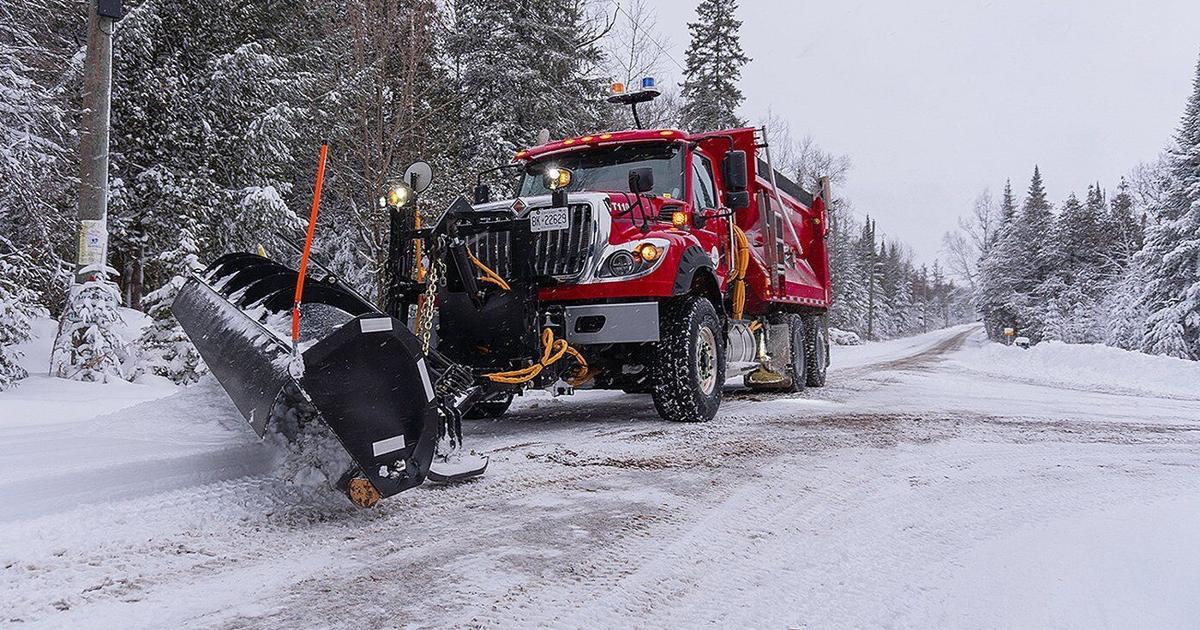
Collaboration among stakeholders is also vital to the future of highway safety in winter. Local authorities, private contractors, and non-profits are increasingly working together to create holistic winter maintenance plans. This method ensures that funds are allocated efficiently and that effective strategies are disseminated across different areas. Interacting with the public for feedback and input can improve the effectiveness of these programs, ultimately leading to safer roads and dependability during seasonal challenges.